 EN
EN  PL
PL 


How to Use AI in Marketing: Practical Strategies, Real-World Examples, and Proven Use Cases


Just a few years ago, using artificial intelligence in business sounded like a vision straight out of a sci-fi movie. Today, AI in marketing is part of everyday reality – from personalized product recommendations in e-commerce, through automated ad targeting and social media posts, to advanced, real-time data analysis.
Companies that know how to use artificial intelligence wisely gain a clear competitive edge. They respond faster to changing market expectations, run more effective marketing campaigns, and achieve stronger results while optimizing costs across their marketing efforts.
AI in Marketing: What It Is and What It Makes Possible
AI in marketing refers to the use of algorithms and machine learning technologies to plan, execute, and evaluate promotional activities. Put simply, it’s the way organizations apply artificial intelligence to improve and scale their marketing strategy.
Where does the real advantage come from? AI marketing enables companies to:
- analyze massive volumes of customer data in real time, using both historical data and live signals,
- identify patterns in customer behavior and predict next actions using advanced ai algorithms,
- automate repetitive tasks such as email distribution, lead scoring, or database segmentation – freeing up marketing teams for more strategic work,
- personalize communication so it aligns closely with individual customer preferences,
- support content creation and distribution, including ai generated content created with modern ai tools and ai powered tools.
Importantly, AI in marketing goes far beyond advertising alone. Today, ai systems increasingly support content creation, search engine optimization, performance analysis, and customer service through chatbots and voicebots powered by sophisticated ai models and generative ai models.
As a result, ai adoption is no longer an experiment reserved for innovation labs or discussed only by marketing leaders at conferences like those hosted by the Marketing AI Institute. Instead, ai marketing tools have become a foundation of modern marketing operations – not an optional add-on, but a core capability built on cutting edge ai tools.
Applying Artificial Intelligence in Marketing – From Data Analysis to Automation
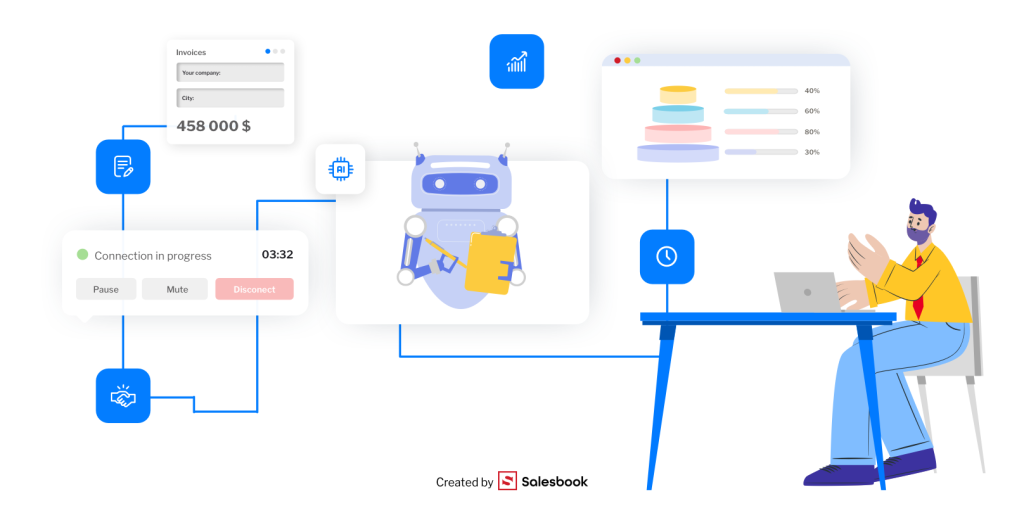
The practical use of artificial intelligence in marketing starts with data analysis. Thanks to advanced ai algorithms and machine learning, marketers can go far beyond tracking basic campaign metrics. AI makes it possible to uncover hidden trends, such as correlations between ad messaging and sales performance. By analyzing historical data, purchase history, and online interactions, AI in marketing helps identify which marketing efforts deliver the strongest results.
At this stage, marketing teams rely on specialized ai tools and ai marketing tools that enable, among others:
- segmentation of contact databases based on customer data,
- prediction of marketing campaign performance,
- dynamic adjustment of advertising content to individual audience profiles.
The next step is automation. With the support of AI in marketing, companies can not only create personalized messages at scale but also optimize media spend, forecast the effectiveness of marketing campaigns, and support ongoing optimization of paid activities in platforms such as Google Ads and social media.
As a result, organizations no longer have to rely solely on intuition. AI marketing supports data-driven decision-making and helps teams build more effective, scalable marketing strategies. It represents a real shift in how modern brands communicate, plan, and execute their presence in the digital world.
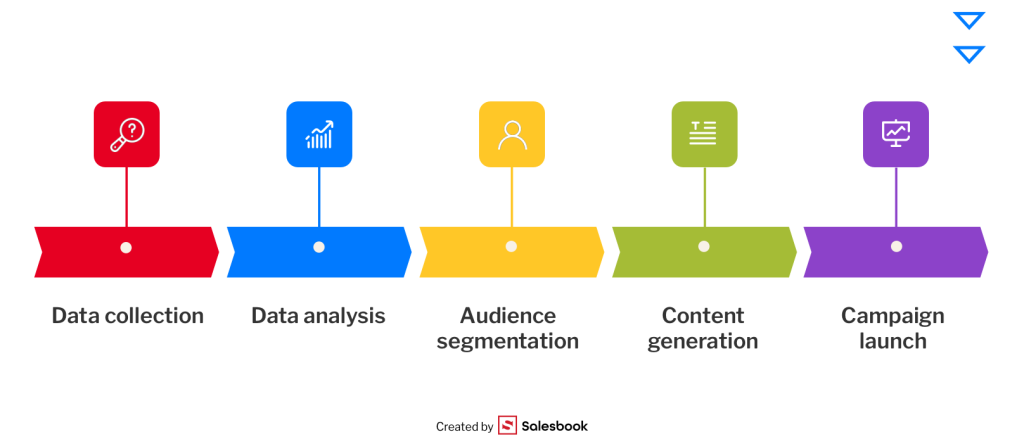
Data Analysis as the Foundation of Effective Marketing Decisions
Today, in the world of artificial intelligence in marketing, data-driven marketing is the key to success. Thanks to advanced data analysis, AI algorithms based on machine learning are able to identify changing patterns in customer behavior, enabling more precise targeting, improved audience segmentation, and communication tailored to individual preferences.
According to 2025 data, as many as 93% of marketers use generative AI to speed up content creation, 81% rely on it to uncover insights faster, and 90% use AI to make quicker decisions. In addition, 45% of companies increased their ai adoption of AI analytics platforms in 2024, while ai integration with existing systems accelerated by 30% compared to the previous year.
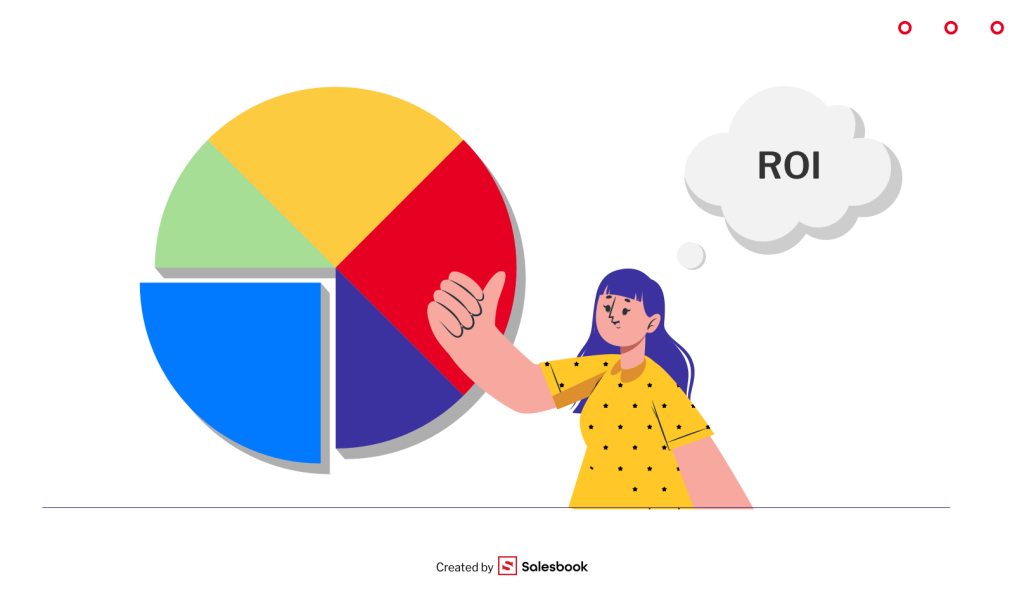
Artificial intelligence in marketing supports not only the analysis of customer data and consumer data, but also the prediction of marketing campaign performance and real-time ad optimization. This allows marketing teams to react dynamically to results instead of relying on outdated reports. AI delivers automatic recommendations – for example, which customer segments to prioritize and which campaigns to pause – increasing the effectiveness of marketing efforts and overall ROI by turning raw data into actionable insights.
A McKinsey study shows that organizations using artificial intelligence in marketing achieve up to 10–20% higher return on investment (ROI). This confirms that data-driven marketing is not a trend – it is a real competitive advantage and a core element of an effective marketing strategy built with modern ai marketing tools, ai technology, and scalable generative AI solutions.
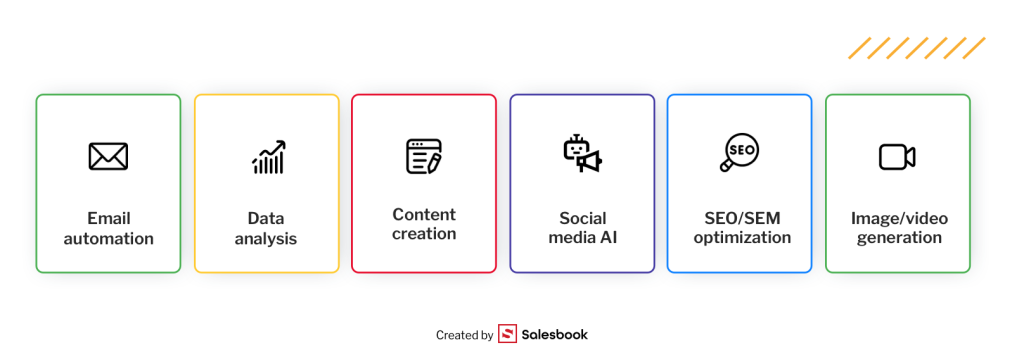
AI Tools Supporting Marketers’ Day-to-Day Work
Marketing teams increasingly rely on AI marketing solutions that automate marketing processes, support content creation, and help optimize ongoing activities. Modern ai technology enables marketers to move faster, work more precisely with consumer data, and base decisions on advanced data analysis rather than manual reporting.
Examples include:
- Predis.ai – an AI marketing platform for content creation on social media, including posts, videos, and ads, as well as automated scheduling and publishing. The tool is used by more than 2 million users and has a 4.8 rating across multiple review platforms. It supports social media workflows with real time data and insights derived from customer behavior.
- HubSpot Content Hub – a comprehensive content platform built on generative AI and generative AI models, enabling automated content generation, personalization, search engine optimization, analytics, and distribution, fully integrated with CRM. It is well suited for managing content across blogs, websites, and e-commerce sites while supporting data driven decision making.
- Spectrum Reach Architect – an AI-powered platform for television and digital advertisers that delivers media recommendations based on historical and real time data, supporting campaign optimization through advanced data analysis and predictive mechanisms.
- Typeface Arc – a solution that accelerates the entire creative process. The platform learns from previous campaigns and uses generative AI to produce channel-specific messages (email, SMS), aligned with customer behavior and past customer interactions, helping brands maintain a consistent brand voice at scale.
- SOMONITOR – an academic solution combining Explainable AI with LLMs to analyze competitors and market trends, support data collection, and generate content guidelines and marketing briefs. It turns complex datasets into actionable insights, streamlining execution in content-driven marketing programs.
Thanks to these AI marketing tools, marketers can create engaging marketing content, perform advanced audience segmentation, and receive automated recommendations based on data analysis. This allows human teams to focus on strategy rather than time consuming tasks, while AI marketing supports more precise, personalized, and effective communication built on artificial intelligence and seamless AI integration.
Personalized Communication and Marketing Campaign Creation
One of the greatest strengths of artificial intelligence in digital marketing is the ability to personalize communication. Not long ago, marketers relied mainly on simple demographic segments. Today, thanks to AI algorithms, they can design highly tailored campaigns that respond to individual audience expectations and real consumer behavior.
Personalization goes far beyond placing a first name in an email subject line. AI-driven tools analyze data collection from multiple sources – purchase history, activity on web pages and mobile apps, as well as customer interactions on social media. Based on this information, brands can deliver relevant content recommendations, customized offers, and consistent communication paths that create truly personalized customer experiences.
AI also supports marketing campaigns across the full funnel – from brand awareness to loyalty and customer retention. For marketing teams, this means significant time savings: automation handles many time consuming tasks, allowing human teams to focus on strategy and the creative process. In this context, platforms such as Digital First can serve as an effective enabler of campaign execution.
Using AI for Real-Time Personalization
The greatest advantage of artificial intelligence lies in its ability to operate using real time data. Messages, ads, and offers can be dynamically adjusted to current audience behavior as it happens.
For example, if a user is browsing an offer on an e-commerce site, an AI system can immediately display tailored product suggestions, followed moments later by a push notification with a discount. This approach is based on context, needs, and live signals such as browsing behavior, rather than static assumptions.
This mechanism is made possible by AI tools built on advanced machine learning, predictive analytics, and elements of natural language processing. As a result, communication is not only personalized but also aligned with the audience’s tone and language – a key factor in driving customer engagement.
Companies that have implemented real-time personalization report conversion increases of up to 20–30% along with higher customer satisfaction. This demonstrates that AI’s ability to personalize at scale is not a passing trend, but a practical capability that improves performance and long-term results.
Social Media and the Growing Role of AI
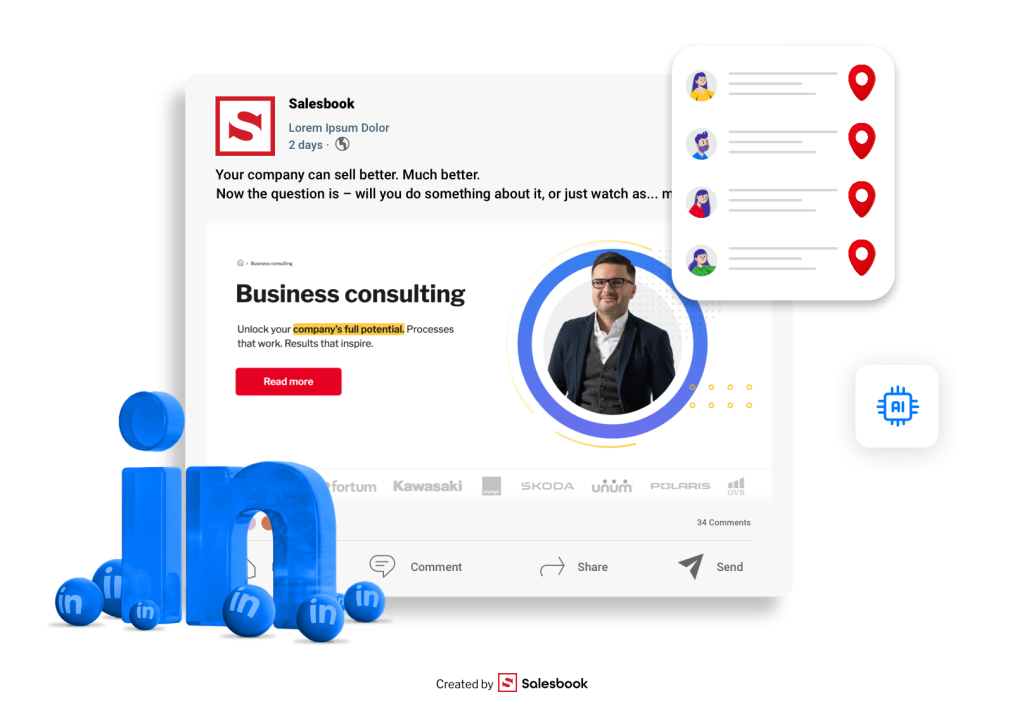
Social media is one of the most important areas where artificial intelligence is reshaping the rules of digital marketing. In an era of content overload, platforms such as LinkedIn, TikTok, and Instagram rely on AI to recommend the most engaging content and ads to users through their search engine and feed-ranking mechanisms.
For marketers, this translates into access to tools that help identify market trends, optimize programmatic advertising, and adapt content to audience expectations. AI algorithms analyze billions of social signals in real time data streams to determine which campaigns perform best and how results can be improved through data driven decision making.
AI also supports content marketing execution – from automated hashtag suggestions, through graphic generation and video editing, to selecting optimal publishing times or helping generate videos for short-form platforms. These capabilities enable teams to react faster and build stronger relationships with audiences through relevant marketing content.
Equally important is AI’s role in moderation. Systems trained on large datasets learn to detect spam and harmful content, improving interaction quality and brand safety – an area where ethical considerations are becoming increasingly important for business leaders.
In practice, this means that in today’s digital marketing environment, it is nearly impossible to remain competitive without knowing how to leverage AI – both when building online communities and when achieving measurable sales outcomes in a rapidly evolving global economy.
Examples of AI Use in Marketing – Real-World Inspirations
1. Klarna – Saving USD 10 Million Annually with AI
Fintech company Klarna uses generative AI tools such as Midjourney, DALL·E, and Firefly to create marketing visuals. This approach reduced production time from six weeks to just seven days and enabled the creation of more than 1,000 images within three months. As a result, Klarna saved USD 6 million on graphic production and an additional USD 4 million by reducing outsourced marketing services – totaling USD 10 million annually. The initiative streamlined the creative process while supporting data driven decision making across teams.
2. IBM + Adobe Firefly — 26× Higher Engagement
IBM tested Adobe Firefly’s generative AI capabilities for advertising asset creation. During the pilot, the team produced 200 visuals from more than 1,000 variations. The outcome was a campaign that achieved 26 times higher engagement than standard benchmarks, demonstrating how AI-powered experimentation using real time data can significantly amplify results in content marketing.
3. The Original Tamale Company – Going Viral with ChatGPT
A small restaurant in Los Angeles gained massive visibility thanks to a 46-second viral video created with the help of ChatGPT. The clip reached over 22 million views and 1.2 million likes within three weeks, significantly increasing foot traffic. This case shows how AI can help generate videos, accelerate video editing, and support rapid content creation aligned with audience browsing behavior across digital web pages and platforms.
4. Ralph Lauren “Ask Ralph” – An AI Stylist in the App
Ralph Lauren launched the AI-powered tool “Ask Ralph,” built on Microsoft Azure OpenAI. Users receive styling recommendations tailored to the brand’s catalog through natural, conversational interactions. This solution combines real time data, advanced data collection, and conversational AI to deliver personalized product recommendations in luxury e-commerce, reinforcing brand consistency while enhancing user experience.
5. AI in Case Studies: Starbucks, BMW, Nutella, and More
Invoca presented as many as 30 examples of AI applications in marketing, including social media automation, SEO, recommendation systems, and programmatic advertising. Featured brands include Starbucks (personalization), Amazon (recommendation engines), Sephora (Beauty Advisor), BMW (generative campaigns), Nutella (7 million AI-generated package designs), and Volkswagen (predictive behavior modeling). These cases highlight how human teams collaborate with AI systems to transform new data into measurable business outcomes within the global economy.
6. Agentic Multimodal AI – Hyper-Personalized Advertising
An innovative agentic AI framework integrates multiple modalities – text, imagery, and personas – to create hyper-personalized advertising for both B2B and B2C environments. The model enables advertisers and business leaders to simulate advertising strategies, optimize ROAS using real time data, and support scalable data driven decision making. At the same time, such solutions raise important ethical considerations related to transparency and responsible AI use as organizations seek to leverage AI at scale.
Benefits and Challenges of Artificial Intelligence in Marketing
Benefits
- Efficiency and automation – AI automates repetitive tasks such as segmentation and lead scoring, significantly increasing productivity across marketing operations.
- Faster decisions and real-time optimization – according to IBM, AI enables near real-time campaign monitoring and allows teams to take highly precise actions as performance data evolves.
- Higher ROI and stronger KPIs – AI supports improved return on investment and makes it easier to measure the effectiveness of individual marketing tactics with greater accuracy.
- Hyper-personalization – tools such as Sephora’s VoiceChat or Ralph Lauren’s “Ask Ralph” deliver personalized service and styling recommendations, strengthening customer loyalty and overall experience.
Challenges
- Implementation costs – deploying AI solutions, particularly generative AI, can be expensive and often requires advanced infrastructure and technical expertise.
- The risk of “AI slop” – some automated campaigns have faced criticism for low quality or lack of authenticity, as seen in controversial examples such as Coca-Cola or Paramount ads.
- Loss of creativity and brand identity – over-reliance on AI may result in content that feels generic or soulless if human creativity is pushed aside rather than supported.
- Privacy and ethics – using data for personalization introduces privacy risks and demands a responsible, transparent approach to data usage and governance.
Inspirational market examples clearly show that AI in marketing is a powerful force for transformation – from AI stylists and chatbots to viral campaigns and multi-million-dollar savings. At the same time, success depends on balance. AI should enhance human creativity, not replace it, while organizations remain mindful of costs, data protection, and the ethical use of technology.

How to Successfully Implement AI in Marketing Activities
Implementing artificial intelligence in marketing should not be a spontaneous decision, but a strategic process. The best results are achieved by companies that start with clearly defined goals – such as increasing conversion rates, optimizing campaign costs, or improving customer experience.
The next step is data assessment. Without a solid data foundation, even the most advanced AI solutions will fall short. Data must be up to date, consistent, and well structured to effectively power AI algorithms.
Once this foundation is in place, organizations should identify the areas where AI can deliver the fastest return on investment. These may include:
- automation of social media activities,
- real-time communication personalization,
- customer behavior prediction and product recommendations,
- support for content creation and customer service.
Testing and iteration are equally important. Companies that introduce AI gradually – for example, within a single communication channel or a selected campaign – learn faster, reduce risk, and gain better control over outcomes.
Ultimately, implementation success depends on people. Even the most advanced algorithms require informed oversight and skilled teams. That is why investing in training and a data-driven culture is essential – one in which artificial intelligence enhances marketers’ creativity rather than replacing it.
FAQ – Frequently Asked Questions About Artificial Intelligence in Marketing
1. What is artificial intelligence in marketing?
It is the use of algorithms and machine learning to automate processes, analyze data, personalize communication, and optimize promotional activities.
2. What are the main benefits of using artificial intelligence in marketing?
Key advantages include real-time operation, better content personalization, automation of repetitive tasks, and improved campaign effectiveness.
3. Will artificial intelligence replace marketers?
No. AI supports people in analysis and automation, but humans remain responsible for strategy, creativity, and process oversight. The best results come from combining team expertise with technology.
4. What types of companies can use artificial intelligence in marketing?
Almost any organization – from large enterprises to small e-commerce businesses. AI-based tools are available both in advanced marketing automation platforms and in simpler SaaS solutions.
5. Where should companies start when implementing artificial intelligence in marketing?
With a data audit and clear business objectives. From there, it’s best to begin with a small pilot project – such as automating an email campaign – to test AI’s potential in practice.
6. Who should be involved in implementing AI in marketing?
Successful AI implementation is rarely a solo effort. In practice, it requires close collaboration between marketing teams, data scientists, and technology partners. While marketers define goals and customer journeys, data scientists help build and validate models that allow companies to gain deeper insights from data and turn them into scalable marketing actions.
7. How does AI support pricing strategies in marketing?
AI can play a significant role in optimizing pricing strategies by analyzing demand, seasonality, and competitive signals in near real time. By combining historical performance with customer feedback and behavioral data, AI systems can recommend dynamic pricing adjustments that balance conversion, margin, and long-term customer value.
8. Can AI help improve visibility in Google search?
Yes. AI supports content optimization for Google search by analyzing search intent, keyword performance, and on-page behavior. When combined with SEO tools, AI helps marketers understand how users interact with web content and adjust structure, language, and timing to improve organic visibility and relevance.
9. What role do AI assistants play in marketing teams?
AI assistants increasingly support marketers in daily tasks such as content drafting, campaign analysis, reporting, and ideation. They reduce manual workload and help teams focus on strategy rather than execution. In many organizations, AI assistants act as a first layer of support – accelerating workflows without replacing human decision-making.
10. Is AI in marketing only for large enterprises?
No. While global brands discussed in outlets like The Wall Street Journal often showcase advanced AI deployments, smaller companies can also benefit. Many platforms offer a free version or entry-level plans that allow teams to test AI capabilities before investing more heavily and learning how to scale AI across marketing operations.
11. How can companies build AI skills inside their organization?
Beyond tools, skills matter. Many organizations invest in internal training programs or external initiatives such as an AI academy to help marketers understand how AI works, how to interpret results, and how to use insights responsibly. This knowledge is essential when incorporating AI into everyday marketing processes.
12. Why do marketers struggle with AI adoption?
In many cases, marketers struggle not because of the technology itself, but due to unclear goals, poor data quality, or lack of internal alignment. AI requires structured data, realistic expectations, and gradual implementation. Without these foundations, even powerful tools may fail to deliver value.
13. How does AI improve social media management?
In social media management, AI helps automate publishing, analyze engagement patterns, and recommend optimal formats and timing. By continuously learning from performance data and customer feedback, AI enables brands to adjust communication faster and maintain consistency across channels as they grow.
Table of Contents