
 EN
EN  PL
PL  DE
DE 



The Best Ways to Build Customer Relationships


No customer wants to feel like just another name on a list. They want to be understood, appreciated — and above all, noticed. Building customer relationships isn’t an optional extra; it’s one of the most reliable foundations of business success. According to Bain & Company, just a 5% increase in customer retention can lead to a 25–95% boost in profits. A returning customer spends on average 67% more than a new one. In practice, this means that a well-managed customer relationship—one that meets individual customer needs, resolves doubts, and aligns with customer expectations—is an investment that pays off for years to come.
Why Building Customer Relationships Is the Foundation of Business Success
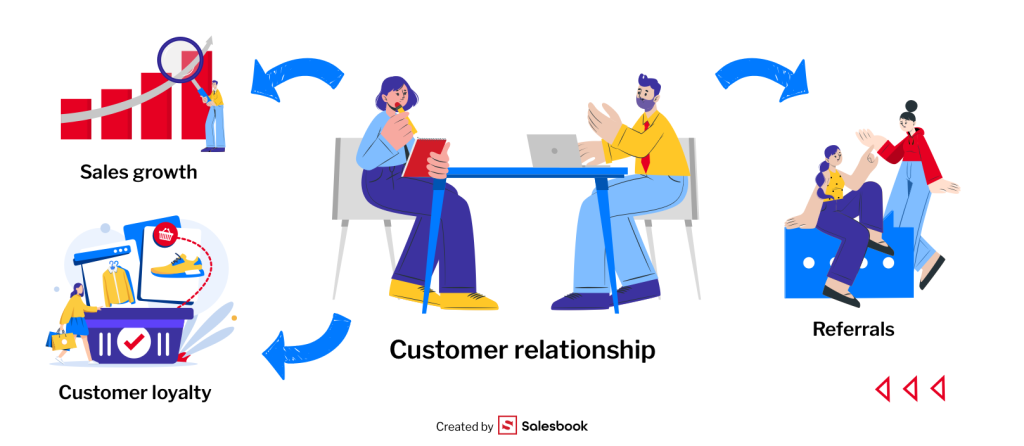
Customer relations are no longer a byproduct of sales — they have become its most crucial element. In a world where competition is fierce and access to high-quality products is easier than ever, it’s not prices but strong customer relationships that create a real competitive advantage. Building customer relationships determines whether a one-time purchase turns into long-term cooperation and valuable referrals. Companies that invest in customer relationship management see not only higher customer loyalty but also measurable financial growth.
1. Loyal Customers Bring Higher Profits
By focusing on building strong customer relationships, you encourage customers to come back. And returning loyal customers are worth more — they can spend up to 67% more than new buyers. In practice, such positive customer relations can drive revenue growth by more than 25%, directly impacting increased customer lifetime value.
2. Customers Stay When They Feel Understood
When you listen to customer feedback and tailor your offer to customer needs and customer expectations, you’re doing more than just selling — you’re building lasting customer relations. This emotional connection is what drives customer retention because keeping a client is 5 to 25 times cheaper than acquiring a new one. Companies that analyze customer data to personalize offers and improve customer experience see significant growth in overall customer satisfaction.
3. Trust Is the Ultimate Capital
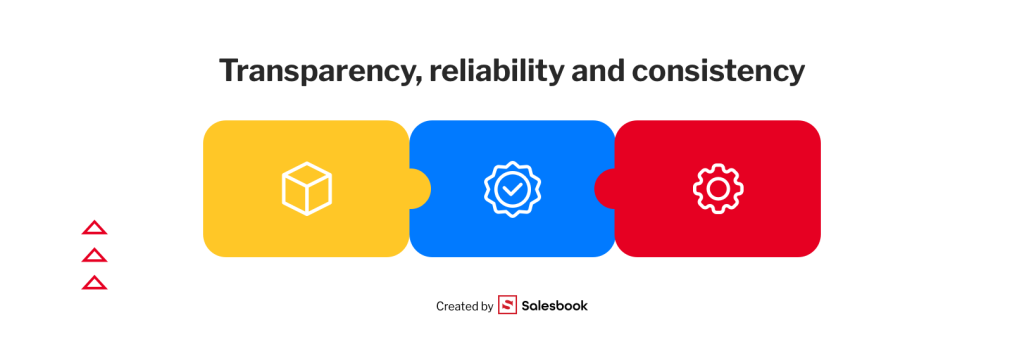
Transparency and consistency create trust — and trust pays off. Companies rated high in trustworthiness achieve up to four times better results than those with low trust levels. This shows that strong customer relations are a strategic asset. When customers feel confident in your brand, they become loyal customers who not only stay longer but also recommend your business to others, boosting your customer lifetime value.
4. Experience Matters More Than the Product
For 80% of customers, experience is just as important as the product itself. McKinsey confirms that companies combining customer loyalty with smart pricing strategies achieve the strongest market performance. This proves the importance of customer experience — and why crm software and crm tools are essential for collecting customer data, tracking customer interactions, and improving customer satisfaction through personalized service.
5. The Power of a Customer’s Voice
92% of customers trust recommendations from friends more than advertising. Positive customer experiences that lead to referrals are among the most powerful marketing campaigns any company can build. Satisfied clients become brand advocates — a testament to good customer relations and the ability to build positive customer relations that last.
Key Principles of Building Relationships in Sales and Customer Service
There’s no single recipe for success, but there are proven practices that guide effective work with customers. Every process of building customer relationships begins with honesty and understanding — and ends with customer loyalty that drives recurring revenue.
According to Gartner, 65% of a company’s revenue comes from existing customers, which means the key to growth lies in nurturing customer relations, not just chasing new leads. To make these relationships truly work in practice, it’s worth focusing on a few essential foundations:
- Effective communication — clear, consistent, and open, across all social media and multiple channels of contact.
- Building trust — without it, no strong customer relationships can survive.
- Understanding customer expectations — through an individual approach and customer analysis focused on real customer needs.
- Systematic customer engagement — by gathering customer feedback, co-creating offers, and developing loyalty programs that increase customer retention.
- Technology that supports relationships — such as CRM software and CRM tools, which organize customer data, enhance customer interactions, and empower sales teams and the customer service team.
Customer relationship management is a process that requires patience and involvement — but in the long run, it creates value far greater than any single transaction. Strong customer relations lead to increased customer loyalty, improved customer satisfaction, and ultimately, a stronger business model built on trust and human connection.
Building Trust as the First Step Toward Loyalty
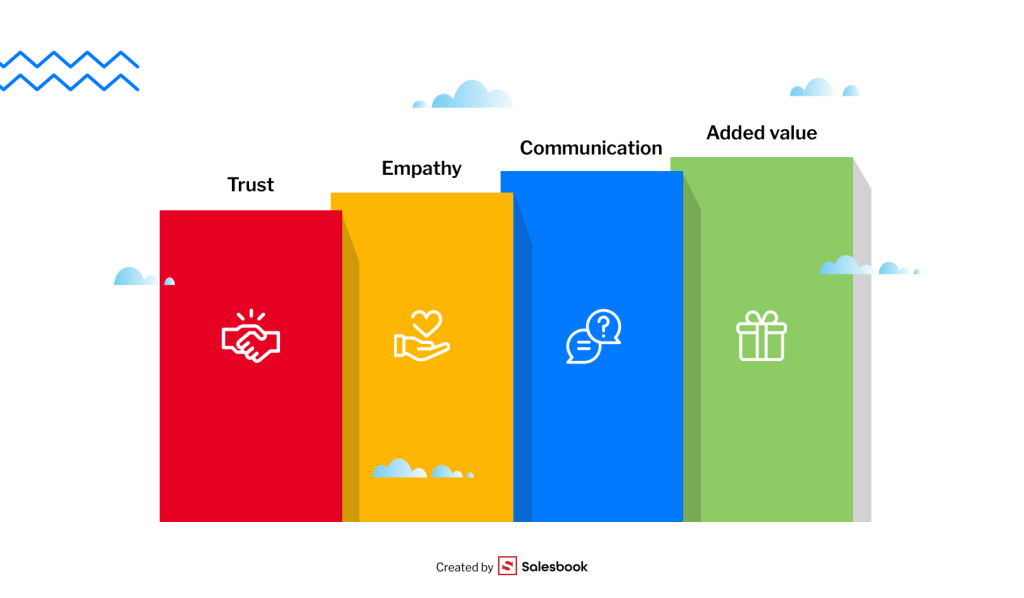
Every business relationship begins with trust. Without it, there can be no customer loyalty, repeat purchases, or referrals. A customer must be convinced not by words, but by consistent actions — keeping promises, maintaining transparency, and delivering high-quality customer service.
According to the Edelman Trust Barometer, 81% of consumers say that a lack of trust is the main reason they stop doing business with a brand. That’s why sales professionals should ensure there is no doubt about the quality of their products or services. Customer relations managers and customer service teams play a crucial role in strengthening customer trust, ensuring every interaction reinforces confidence and reliability.
Customer relations built on mutual trust are far more resistant to competitive pressure. They pave the way for long-term customer relationships, where loyal customers become a company’s greatest advantage — driving customer retention, improved customer satisfaction, and sustainable growth.
Understanding Customer Needs and Their Role in Long-Term Collaboration
You can’t talk about lasting bonds without truly understanding your customers. It’s the foundation of the entire process of building customer relationships. Today’s clients expect not only efficient service but also personalization, empathy, and a sense that the company genuinely cares.
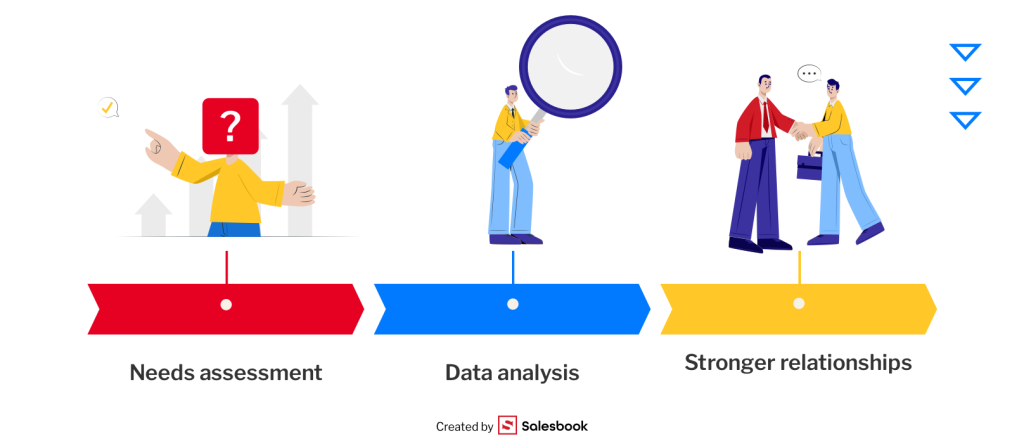
As many as 73% of customers expect businesses to understand their individual customer needs and customer expectations. In other words, customer relations don’t end once the purchase is made — that’s when the most important stage begins: maintaining contact, deepening cooperation, and listening to customer feedback.
In practice, this means that:
- the ability to listen is a key skill for every salesperson and customer relations team member,
- companies should invest in tools that make it easier to collect and analyze customer data and opinions,
- involving clients in product or offer development increases their sense of value and helps build positive customer relations.
Understanding customer expectations allows businesses to build strong customer relationships that naturally evolve into long-term partnerships. These strong customer relations can increase company profits by tens of percent, driven by increased customer loyalty, repeat purchases, and enhanced customer satisfaction.
Communication and Good Relationships – How to Talk Like a Partner, Not Just a Seller
Effective communication is the foundation of every relationship — both personal and professional. In modern sales, it’s no longer just about closing a deal, but about building customer relationships that begin with the first conversation and continue long after the transaction ends.
Customers today expect open and transparent dialogue. Best practices suggest that sales professionals should listen more than they talk. By doing so, it’s easier to uncover customer needs, understand the context, and offer personalized solutions. In practice, this means asking open-ended questions, paraphrasing responses, and avoiding aggressive, one-sided sales monologues.
Language also plays a crucial role. It should be simple, clear, and free from unnecessary jargon. According to Harvard Business Review, customers trust salespeople who focus on the conversation and building strong customer relationships far more than those who rely on pushy product presentations.
Conversations conducted in a spirit of partnership — with empathy and openness — are not only more enjoyable for the customer but also far more effective. They foster positive customer experiences and strong customer relations based on long-term engagement rather than one-time transactions. In the end, communication rooted in trust, empathy, and respect helps build customer relationships that last, enhancing both customer satisfaction and customer loyalty.

Positive, Value-Based Relationships – How to Deliver More Than Just a Product
Today’s customers no longer evaluate companies solely by the quality of their products or services. They increasingly pay attention to the values a brand represents. Do they care about the environment? How do they treat employees? Do they act responsibly and ethically?
Building positive customer relations is therefore about more than just offering a fair price or an attractive deal. It’s about creating a bond based on mutual respect and trust — a belief that the company embodies values important to the customer. According to Deloitte, as many as 57% of consumers make purchasing decisions based on a brand’s values.
That’s why it’s crucial for brands to go beyond understanding customer needs at a functional level and provide customers with a sense of shared purpose — that the company supports the same ideals they do.
In practice, this approach also helps attract potential customers, because companies that demonstrate transparency and ethics are more likely to be recommended. According to Nielsen, 66% of consumers are willing to pay more for products and services from businesses committed to sustainability.
In other words, positive customer relationships are much more than transactions — they are strong customer relationships rooted in shared values and long-term engagement. This foundation not only fosters customer loyalty but also drives growth, improves customer satisfaction, and strengthens the overall business model.

Tools and Technologies Supporting Customer Relationship Building
Modern customer relationship management can no longer rely solely on a salesperson’s intuition. Technology now plays a key role in organizing customer data, improving communication, and understanding the real customer needs that drive long-term success.
One of the most important tools is CRM software, which gives sales professionals a complete view of their customer journey — from the first interaction with potential customers to post-sale support. In practice, this means better control over the sales process, no risk of losing important information, and the ability to personalize every stage of communication.
Today, CRMs like Salesbook go even further — combining analytics, automation, and AI. As a result, sales reps receive intelligent suggestions: when to reach out to clients, what marketing materials to prepare, and which next steps to take to build strong customer relationships.
Modern technologies also support:
- Automation of follow-ups, ensuring no customer interactions are missed,
- Segmentation and offer customization to fit context and customer behavior,
- Analysis of data from multiple channels, including social media,
- On-the-spot offer creation during meetings with existing customers or potential customers.
By integrating these tools, customer relations teams can turn building customer relationships into a structured, repeatable process rather than a random effort dependent on individual initiative. The result is improved customer satisfaction, enhanced customer experience, and a measurable increase in customer retention and customer lifetime value.

Case Study – Examples of Companies That Excel at Building Customer Relationships
Starbucks – Personalization in the App
For years, Starbucks has shown how technology can strengthen customer relations. Its mobile app combines payments, personalized recommendations, and a loyalty program that keeps millions of users engaged. The result? A steady base of loyal customers and recurring revenue — over 30% of orders in the U.S. are placed through the app. This is a great example of how crm data and customer behavior insights can drive enhanced customer satisfaction and increased customer loyalty.
Amazon – Relationships Built on Convenience
Amazon creates strong customer relationships by offering not just products, but an experience centered on maximum convenience — fast delivery, easy returns, and precise recommendations. It’s proof that building customer relationships requires investment in processes that reduce customer complaints and uncertainty. According to Statista, Amazon’s focus on the customer experience and customer-centric business model continues to strengthen its customer retention and customer satisfaction.
Salesbook – Modern CRM in Action
In the B2B space, Salesbook provides a clear example of how customer relationship management and crm software can support the entire sales process. With its mobile app and CRM panel, a salesperson can prepare an offer, sign a contract, and instantly send documents to the system — all during a meeting. This eliminates delays and shows existing customers that the company operates professionally and efficiently. It’s a practical demonstration of how to build positive customer relations from the first interaction to after-sales support, helping customer service teams maintain trust and improve customer satisfaction.
Summary – How to Successfully Develop Customer Relationships in the Long Run
Customer relations are not a sprint but a marathon. Building strong customer relationships requires patience, consistency, and the right tools to support the entire journey — from the first contact with potential customers to fostering customer loyalty based on shared values.
To achieve success, companies should:
- Continuously listen to and respond to customer feedback and customer needs,
- Maintain transparency and build trust in every interaction,
- Engage customers in service and product development,
- Use technology like crm tools and predictive analytics to enable personalized service and better communication.
Only by doing so can companies create long-term customer relationships that go beyond individual transactions and become a source of recurring revenue, referrals, and brand advocacy. In the long run, maintaining strong customer relationships translates into a sustainable business model, increased customer lifetime value, and measurable business growth through improved customer satisfaction and positive customer experiences.
FAQ – Building and Managing Strong Customer Relationships
1. What does customer relations refer to, and why is it important for business success?
Customer relations refers to all the interactions between a company and its customers — from the first meeting to long-term support. The importance of customer relations lies in creating emotional and practical connections that build trust, increase loyalty, and strengthen the business model. Companies that invest in customer relations see better customer retention, higher customer satisfaction, and greater profitability.
2. How can CRM tools and CRM data help improve customer relationships?
Modern CRM tools use crm data to organize customer accounts, track every customer interaction, and analyze trends in customer behavior. With features like predictive analytics, sales and customer success teams can identify opportunities to improve customer relationships, plan marketing campaigns, and provide personalized customer experiences. This approach not only boosts customer satisfaction but also supports increased customer loyalty and increased customer lifetime.
3. What are the main benefits of using CRM software for customer relations teams?
A robust crm software platform helps customer relations teams and customer service teams streamline communication and analyze customer data. It provides valuable insights into the customer journey, enabling companies to deliver personalized service and prevent poor customer experience. When implemented effectively, CRM solutions also help increase customer retention and enhance customer satisfaction, driving measurable business results.
4. How can businesses build strong customer relationships in a B2C and B2B environment?
In both business to consumer and B2B contexts, the key to building strong customer relationships is understanding individual customer needs, offering personalized customer experiences, and maintaining consistency across multiple channels. Sales teams should collaborate with customer support to ensure that customers feel heard and valued. Over time, this leads to good customer relations, memorable customer experiences, and a reputation for excellence that attracts potential customers.
5. What role does employee training play in improving customer satisfaction?
Employee training is essential for maintaining strong relationships and delivering a positive customer experience. Well-trained employees understand how to manage customer interactions, provide quick and empathetic responses, and handle customer support effectively. Investing in training helps create satisfied customers, fosters strong customer relations, and results in improved customer satisfaction and overall customer satisfaction across all touchpoints.
6. How does customer success differ from customer support?
Customer success focuses on proactive relationship building — helping customers interact with products or services in ways that maximize value and ensure long-term customer relationships. Meanwhile, customer support handles immediate issues, ensuring customer complaints are resolved quickly and effectively. Together, both functions drive customer centric growth, reinforce positive customer experiences, and increase the increased customer lifetime value of every account.
7. How can companies use data and analytics to improve customer experience?
Organizations that perform customer analysis and leverage predictive analytics gain valuable insights into what drives customer expectations and behavior. By using these findings to tailor communication, personalize offers, and improve touchpoints, companies can deliver positive customer relations, build customer relationships that last, and enhance customer satisfaction. This data-driven approach turns insights into loyalty and supports continuous improvement of the sales process.
8. What strategies help maintain strong customer relationships over time?
Maintaining strong customer relationships requires a balance of empathy, communication, and consistency. Companies should:
- Regularly collect customer feedback,
- Use crm tools to manage and monitor customer interactions,
- Offer personalized service to meet customer needs,
- Integrate automation for faster customer support,
- Reward loyal customers through programs that encourage repeat business.
These strategies help build strong customer relationships, create positive customer experiences, and ensure that customers feel connected to the brand — turning everyday transactions into lasting partnerships.
Table of Contents